

Distributed Cloud Drive
Practical Use Cases for a Community-Powered Distributed Storage Network
The Distributed Cloud Drive introduces a decentralized approach to digital storage by distributing encrypted file fragments across a community of participating peers. This architecture enables a wide range of practical applications that benefit from enhanced privacy, resilience, and cost-efficiency. The following sections explore key use cases where the Distributed Cloud Drive provides significant advantages over traditional centralized cloud storage.
Personal and Household Data Backup
Individuals and families often accumulate large volumes of photos, videos, and documents that require long-term preservation. The Distributed Cloud Drive offers a secure and cost-effective solution for personal backups. By encrypting and fragmenting files before distribution, users ensure that their private memories remain confidential while benefiting from the redundancy provided by multiple peers. Even if several peers go offline, the system can reconstruct the data from remaining fragments.
This use case is particularly appealing for households with multiple devices. Each family member can contribute unused disk space, collectively forming a private micro-network that automatically stores and protects shared files without relying on external cloud providers.
Community and Neighborhood Storage Pools
Local communities, neighborhoods, or residential associations can leverage the Distributed Cloud Drive to create shared storage pools. Members contribute a portion of their disk space, and in return, they gain access to a distributed, resilient storage system. This model encourages collaboration and reduces dependency on commercial cloud services, which may impose recurring fees or data limits.
Such community-driven networks are ideal for sharing local resources, archiving community documents, or maintaining digital records for neighborhood initiatives. The pool server ensures that fragments are balanced across participants, maintaining fairness and reliability.
Small Business and Freelancer Data Protection
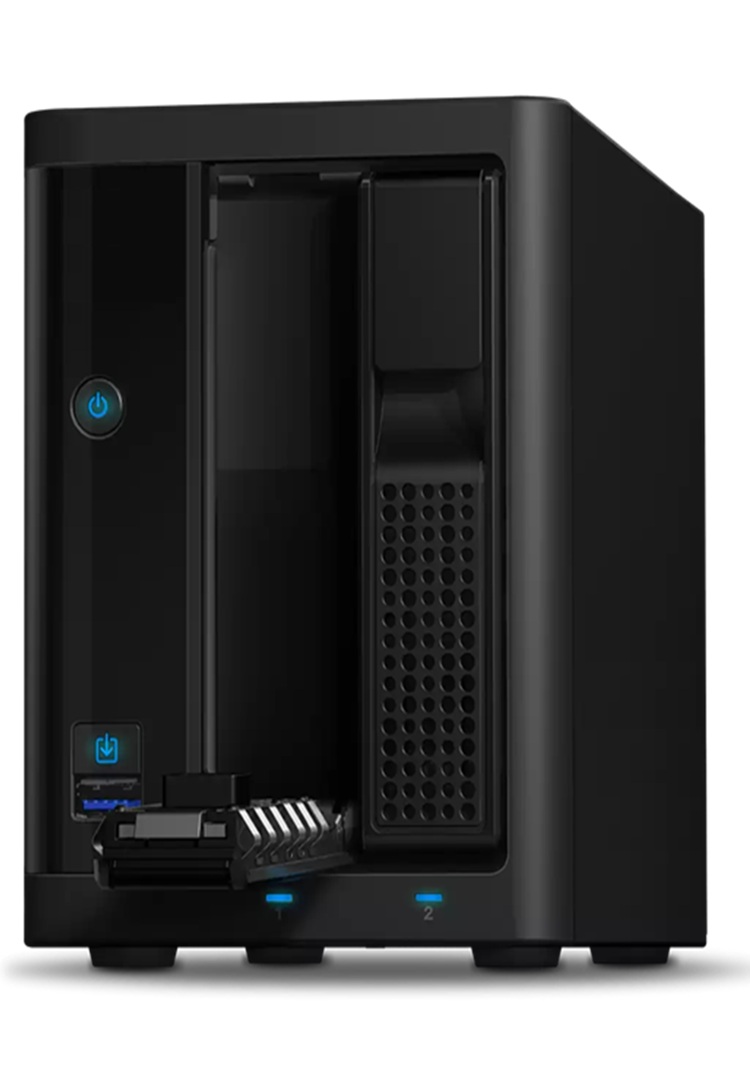 Small businesses and freelancers often require secure storage for sensitive documents, project files, and client data. The Distributed Cloud Drive provides a privacy-focused alternative to traditional cloud platforms. Since data is encrypted locally and stored exclusively on peers, businesses maintain full control over their information without exposing it to third-party providers.
Additionally, the system's redundancy mechanisms ensure that critical business data remains accessible even during hardware failures or peer downtime. This makes the Distributed Cloud Drive a practical solution for long-term archiving, versioned backups, and secure file sharing among team members.
Educational Institutions and Research Groups
Universities, research labs, and academic groups generate large datasets that require secure and distributed storage. The Distributed Cloud Drive enables these institutions to pool their storage resources, creating a decentralized repository for research materials, publications, and experimental data. This approach reduces infrastructure costs while ensuring that sensitive research remains encrypted and protected.
The system's ability to distribute fragments across multiple peers also supports collaborative research. Teams can share encrypted datasets without relying on centralized servers, improving accessibility and reducing bottlenecks during peak usage periods.
Disaster-Resilient Archiving
 Organizations seeking long-term archival solutions benefit from the Distributed Cloud Drive's inherent resilience. Because data fragments are distributed across geographically diverse peers, the system naturally mitigates risks associated with localized disasters such as fires, floods, or power outages. Even if several peers are lost, the redundancy built into the system ensures that data remains recoverable.
This makes the Distributed Cloud Drive an ideal platform for archiving historical documents, legal records, or cultural heritage materials that require protection against catastrophic loss.
Privacy-Focused File Sharing
Users who prioritize privacy can use the Distributed Cloud Drive as a secure file-sharing platform. Since files are encrypted before distribution and only the owner holds the decryption keys, shared content remains protected from unauthorized access. Recipients can retrieve the necessary fragments from peers, reconstruct the encrypted file, and decrypt it locally.
This approach eliminates the need for centralized file-sharing services that may log user activity or impose storage restrictions. It also ensures that sensitive information - such as legal documents, medical records, or financial data - remains confidential throughout the sharing process.
Distributed Media Libraries
 Communities with shared interests - such as photography clubs, gaming groups, or open-source communities - can use the Distributed Cloud Drive to maintain distributed media libraries. Members contribute storage space and gain access to a shared repository of images, videos, or project files. The system's fragmentation and redundancy mechanisms ensure that large media collections remain available and protected.
This use case is particularly valuable for groups that generate or exchange large files regularly. The decentralized nature of the system reduces bandwidth pressure on any single peer and improves overall accessibility.
IoT and Edge Device Storage
Internet-of-Things (IoT) devices and edge computing systems often produce continuous streams of data that require efficient storage. The Distributed Cloud Drive allows these devices to offload encrypted fragments to nearby peers, reducing the need for centralized cloud infrastructure. This approach improves latency, reduces operational costs, and enhances data privacy.
Edge devices can also act as peers themselves, contributing storage capacity while participating in the distributed network. This creates a self-sustaining ecosystem where devices collaborate to store and protect each other's data.
Digital Sovereignty and Self-Hosted Alternatives
Organizations and individuals seeking digital sovereignty can adopt the Distributed Cloud Drive as a self-hosted alternative to commercial cloud services. By storing data exclusively on peers, users maintain full ownership and control over their digital assets. This is particularly relevant for groups concerned about data residency, regulatory compliance, or vendor lock-in.
The system's decentralized architecture ensures that no single entity can access or manipulate user data, reinforcing trust and transparency within the network.
Conclusion
The Distributed Cloud Drive unlocks a wide range of practical applications across personal, professional, and community contexts. Its combination of encryption, fragmentation, redundancy, and decentralized storage provides a secure and flexible foundation for modern data management. As digital ecosystems continue to evolve, the Distributed Cloud Drive stands as a powerful alternative to centralized cloud platforms, offering enhanced privacy, resilience, and community-driven scalability.